
Blog · 2026-11-11
Providence East Side Homes: Buying in a Historic District
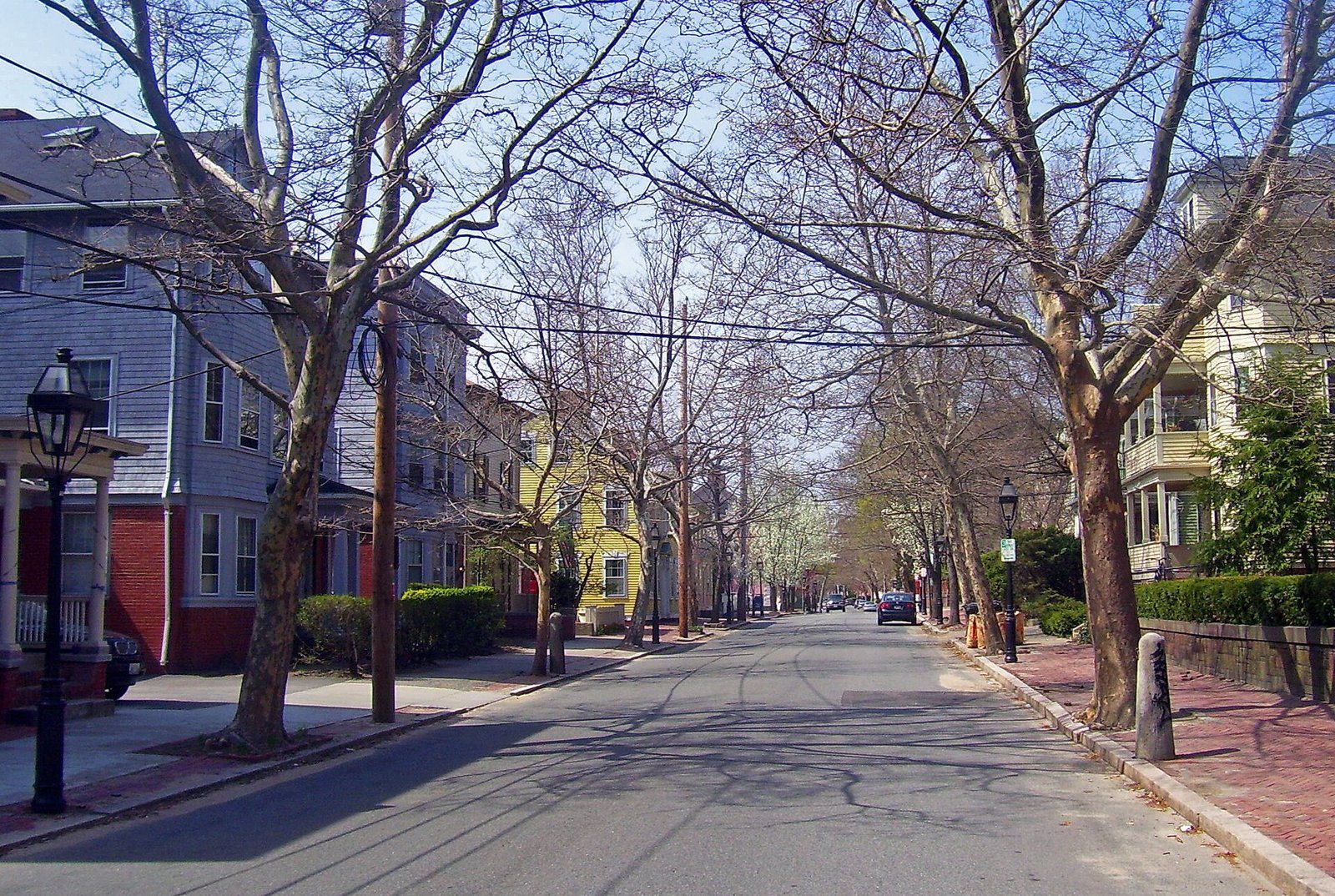
Walk down Benefit Street on a spring afternoon and it is easy to fall for the East Side. Gas-style lamps, brick sidewalks, Federal and Greek Revival houses with the original six-over-six windows. I have sold and appraised homes on College Hill, in Fox Point and around Wayland Square for a long time, and the buyers who end up happiest are the ones who understood, before they wrote the offer, what owning a house in a historic district actually involves. Here is what I walk my own clients through.
First, find out which kind of "historic" the house is
This is the question most buyers skip, and it is the one that matters most. On the East Side, "historic" can mean three very different things:
- A local historic district. Parts of the East Side, including much of College Hill, sit inside a Providence local historic district. Exterior changes visible from the street generally need approval from the Providence Historic District Commission before you do the work.
- National Register listing only. A house can be on, or inside a district on, the National Register of Historic Places without any local review. National Register status by itself is mostly honorary for a private owner using private money.
- No designation at all. Plenty of handsome hundred-year-old houses on the East Side have no formal protection and no review.
Do not rely on a listing description or a neighbor to tell you which one applies. Check the specific address against the city's historic district zoning map, or call the city's planning department, before your inspection period ends. It takes ten minutes and it changes how you should value the house.
What review means for you as an owner
In a local district, the commission cares about what the public sees: windows, doors, siding, roofing, porches, fences, additions and demolition. Interior work, kitchens, bathrooms and mechanical systems are generally your business. In practice this means:
- Replacing original wood windows with vinyl is usually not a simple weekend decision. Repair or in-kind replacement is what the process tends to favor.
- Siding, roofing material and trim changes may need approval, and the approved material can cost more than the cheapest option at the lumber yard.
- An addition or a new garage will take longer to permit, so build that time into any renovation plan.
None of this is a reason to walk away. It is a reason to budget honestly. The same rules that limit what you can do also limit what your neighbors can do, and that consistency is a big part of why these streets hold their appeal.
How I look at value as an appraiser
I have been a certified real estate appraiser for most of my career, and historic East Side houses are some of the hardest properties in the state to value well. Comparable sales are thin because no two houses are alike, and a beautifully restored 1840s house on a quiet side street is not the same product as a similar-looking house with a tired roof and knob-and-tube wiring two blocks away.
For context, the citywide numbers are a starting point, not an answer. In September 2026 the median single-family home in Providence sold for $420,000, down 19.2% from a year earlier, on 45 sales, with an average of 34 days on market. The statewide median was $534,000 (Rhode Island Association of Realtors / State-Wide MLS). Those figures cover the whole city, and East Side prices run on their own track. Ask your agent for recent sales of comparable East Side homes, adjusted for condition, lot and parking, not a citywide average.
Two things move East Side value more than buyers expect: off-street parking and the condition of the envelope. A driveway on College Hill is worth real money. A roof, chimneys, foundation and windows that have been maintained correctly are worth more than a new kitchen.
The inspection: what old houses hide
Hire an inspector who regularly works on pre-1900 houses, and plan for specialists if the general inspection raises flags. On East Side homes I want eyes on:
- Foundations and sills. Fieldstone and brick foundations, sill rot and settling are common on the hill.
- Electrical. Knob-and-tube wiring still turns up, and some insurers will not write a policy until it is replaced.
- Heating and insulation. Many older houses have little or no wall insulation. Ask the sellers for a year of utility bills.
- Lead paint. Any house built before 1978 is presumed to contain lead paint. If you plan to rent a unit, Rhode Island lead law requirements apply, and you should understand them before closing.
- Chimneys, slate and copper. Repairs to original materials are specialized work. Get quotes during your inspection window, not after.
Financing and insurance
Lenders treat a historic house like any other house, but the appraisal can be harder to support, so a strong, well-documented offer matters. Talk to your insurance agent early. Replacement-cost coverage on plaster walls, custom millwork and slate roofs can cost more than you are used to, and you want that number before you commit.
Takeaways
- Confirm whether the address is in a local historic district, on the National Register only, or neither.
- Local district review covers exterior changes visible from the street, not your kitchen.
- Budget for windows, roofing and trim done to the standard the commission expects.
- Use East Side comparable sales, not citywide medians, to judge price.
- Hire an inspector who knows old houses and get specialist quotes before your deadline.
If you want to see what is on the market right now, browse East Side homes for sale. Already own on the East Side and wondering what your house is worth? Start with our home value estimator, then call me at 401-288-3600 for a real opinion of value from someone who has appraised these houses.