
Blog · 2026-11-23
Land-Lease Beach Cottages in South Kingstown: What You Actually Own at Carpenter's and Matunuck
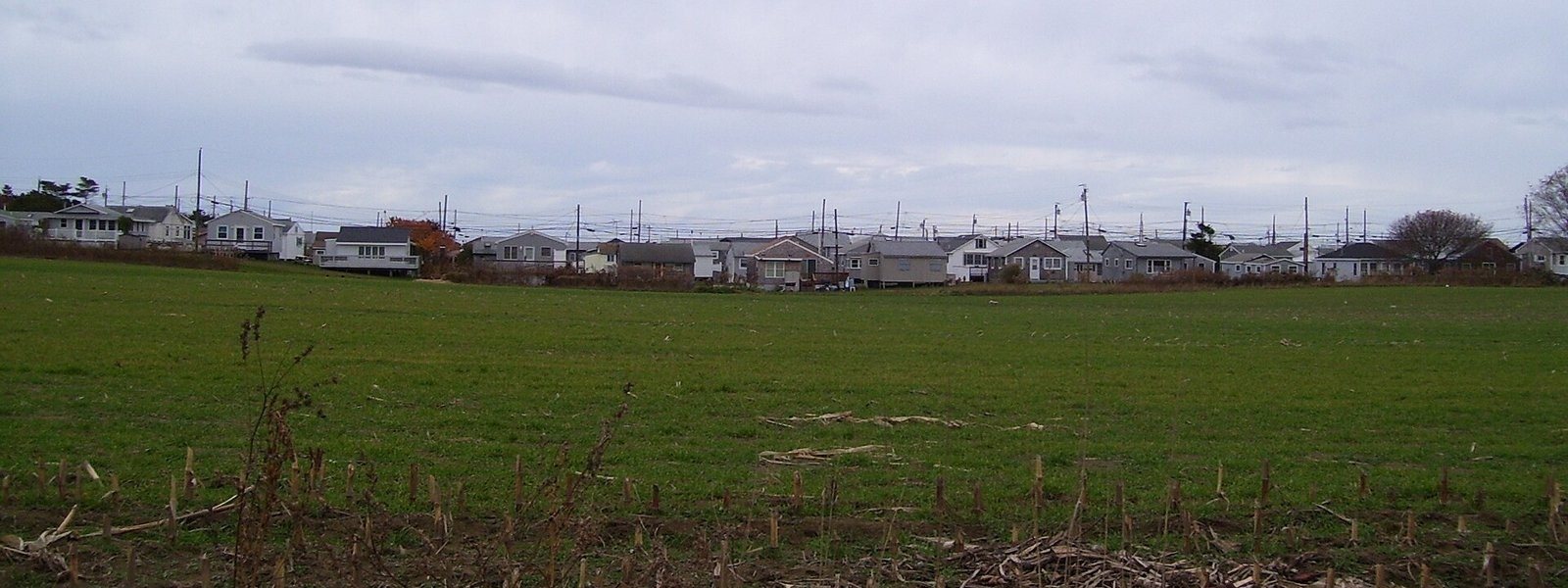
Every summer I get the same call. Someone has spent a week at Roy Carpenter's Beach or near Matunuck, found a cottage with a sign in the window, and the asking price looks like a typo next to anything else on the South County shore. It usually is not a typo. It is a land lease, and the price reflects exactly what you are buying: the cottage, not the ground it sits on.
I have been a Rhode Island broker for 25 years and I am a certified real estate appraiser. Land-lease cottages can be a wonderful way to own a piece of the beach, and plenty of families have held one for generations. But they are a different asset from a house, and buyers who treat them like a house are the ones who get hurt. Here is what you actually own and what to check before you sign anything.
What "land lease" means at a beach cottage colony
In a conventional purchase you buy the house and the lot together, and the deed says so. In a land-lease community you typically buy the structure, while the ground under it belongs to someone else, often the family or company that has owned the property for decades. You pay ground rent to the landowner, and your right to keep the cottage there is only as good as the lease.
Roy Carpenter's Beach is the best-known example in South Kingstown: a community of 377 cottages set close together on numbered rows off Cards Pond Road, near the village of Matunuck, with many cottages passed down within families. Some other cottage colonies in the Matunuck area work the same way, and some are ordinary fee-simple lots. Never assume which one you are looking at. The deed, the lease and the town assessor's records tell you.
Read the lease before you fall in love with the porch
The lease is the real property in this transaction. Ask for the full document, not a summary, and have your attorney read it before your offer is binding. The questions that matter:
- Term: how many years remain, and is there a renewal right or only a hope of one?
- Rent: what you pay now, how and when it can be increased, and what happens if it is not paid.
- Transfer: does the landowner have to approve a sale to you, and can you pass the cottage to your children?
- Use: is occupancy seasonal only? Are summer rentals allowed, limited or banned?
- End of term: if the lease ends or is not renewed, do you have to remove the cottage, and is anything paid to you?
- Shared systems: who maintains septic, water, roads and the beach access, and who pays when they fail?
Financing is the first wall most buyers hit
Because you are not buying land, many lenders will not write a standard mortgage on a land-lease cottage, and the ones that will look hard at how much time is left on the lease. Expect a smaller pool of options: cash, a home equity line on your primary residence, or a local bank that keeps loans in its own portfolio. Get a written answer from a lender before you make an offer, not after. That smaller pool of financed buyers is also part of why these cottages are priced where they are, and it will matter again the day you sell.
How I value a leasehold cottage as an appraiser
For context, South Kingstown's median single-family sale in September 2026 was $680,000, up 0.7% from a year earlier, on 36 sales averaging 37 days on market, according to Rhode Island Association of Realtors / State-Wide MLS data. That number tells you nothing about a land-lease cottage. It is driven by houses that come with their land.
The right comparables are other leasehold cottages, ideally in the same colony, sold under similar lease terms. Two cottages that look identical can be worth very different amounts if one lease has decades left and the other is close to expiring. Condition counts too, but location within the colony, the lease and the ground rent usually count more. If a seller's price is built off nearby fee-simple homes, it is the wrong math.
The coastal checklist still applies
A cottage near the water carries the same risks as any shoreline house. Confirm the FEMA flood zone, get flood and wind insurance quotes during your inspection period, and ask about storm and erosion history. Septic and shoreline work near the coast can fall under the Coastal Resources Management Council, so ask how wastewater is handled and whether any upgrades are pending. Many of these cottages were built for summer, so have heating, insulation and plumbing evaluated honestly if you hope to stretch the season.
If you are selling a land-lease cottage
Have the lease, any amendments, the current ground rent, the transfer approval process and recent utility and septic records ready before you list. Buyers and their attorneys will ask, and a cottage with clean paperwork sells faster than one where everyone is waiting on the landowner. Price it off leasehold sales, not off the houses down the road.
Key takeaways
- In a land-lease colony you usually buy the cottage, not the land; the lease defines what you own.
- Read the full lease for term, rent increases, transfer approval, use limits and end-of-term rules.
- Line up financing in writing first; many lenders will not lend on leasehold cottages.
- Value against other leasehold sales, not the South Kingstown town median.
- Flood zone, insurance, septic and CRMC questions still apply.
Browse what is available at Roy Carpenter's Beach or read my full South Kingstown guide. If you already own a cottage and want to know what it is worth, start with my home value estimator, or call me at 401-288-3600 and I will walk you through the lease and the comparables.