
Blog · 2026-10-30
New Construction Homes in Rhode Island: Where They Are and What To Ask the Builder
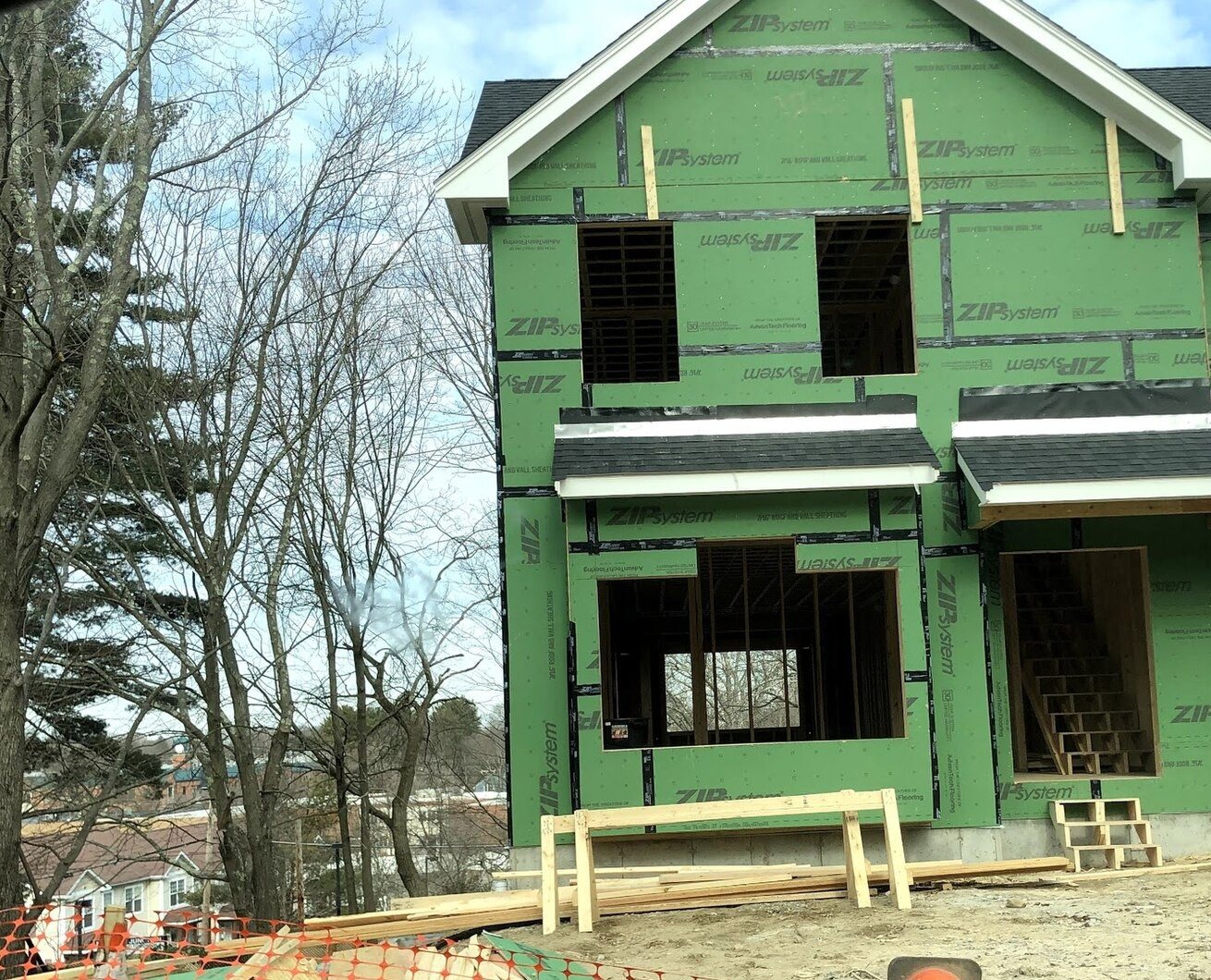
Every week someone asks me the same question: where are the new homes in Rhode Island? The honest answer is that there are not many, they are scattered, and the ones that do come up tend to sell on paper before the drywall goes in. You need to know where to look and what to ask the builder before you sign. I have spent 25 years as a Rhode Island broker and certified residential appraiser, and new construction is where I see buyers make the most expensive assumptions.
Where New Construction Actually Happens in Rhode Island
Rhode Island is small and mostly built out, so new homes follow the land. In Providence, Cranston, Pawtucket and the inner suburbs, new construction is almost always infill: a single lot, a teardown, or a small cluster of homes squeezed onto a parcel that was subdivided. Outside the urban core, in towns like North Kingstown, Coventry, Richmond, Hopkinton and the western towns, you are more likely to find small subdivisions and individual lots where a builder will put up a home to order.
North Kingstown is a good example of the tradeoff. In September 2026 the median single-family home there sold for $640,000 on 25 sales, compared with a statewide median of $534,000, according to Rhode Island Association of Realtors data. A new home there has to justify its price against well-kept existing homes that sold in about a month. You can browse what is on the market now on our North Kingstown homes for sale page.
Three Ways to Buy a New Home
- Spec home: the builder has already started or finished the house and lists it like any other property. You see exactly what you are buying, and you have less room to customize.
- To-be-built in a subdivision: you choose a lot and a plan, pick finishes, and the builder constructs it. Expect a builder's contract, not the standard Rhode Island purchase and sales agreement.
- Your lot, your builder: you buy land and hire a builder separately. This usually means a construction loan, more decisions and more risk, and on rural lots it starts with whether the land will support a well and a septic system.
What To Ask the Builder Before You Sign
These are the questions I want answered in writing on every new construction deal:
- Is the builder registered? Residential contractors in Rhode Island register with the Contractors' Registration and Licensing Board. Look the builder up and ask for addresses of homes they finished in the last few years.
- What exactly is included? Model homes are dressed with upgrades. Get the standard specification sheet for flooring, cabinets, appliances, windows, insulation and the heating and cooling system, and get every upgrade priced before you commit.
- What is the warranty? Ask for the written warranty, what it covers, for how long, and how you file a claim. A verbal promise is worth nothing at closing.
- Who controls the timeline? Ask what happens if completion runs late, whether there is a deadline, and whether you can walk away and recover your deposit.
- Where is my deposit held? Large deposits paid directly to a builder are a real risk. Ask whether it is held in escrow and have a Rhode Island real estate attorney review the contract.
- What about the land? Ask for the septic design approval from the state if the home is not on sewer, well test results if it is on a private well, and any easements, wetlands limits or homeowners association rules.
The Appraisal Gap Nobody Mentions
This is where my appraiser hat matters. A lender's appraiser values new construction against comparable sales, and in many Rhode Island towns there are very few recent new-home sales to compare against. If the builder's price, plus the upgrades you added, runs ahead of what the comparables support, the appraisal can come in short. Then you either bring more cash, renegotiate, or walk away if your contract allows it. Before you load up on upgrades, ask yourself whether a buyer down the road would pay for them.
Also check the property tax situation. A new lot is often assessed as land only until the home is finished and reassessed, so the current bill is not a guide to what you will pay. Call the town assessor and confirm how and when the finished home will be assessed.
Inspections Still Matter on a Brand-New House
A certificate of occupancy means the town's building official signed off on code items. It is not a quality inspection. I recommend a pre-drywall inspection, when the framing, wiring, plumbing and insulation are still visible, and a final inspection before closing. Walk the house with a written punch list and do not close until the items that matter are done or money is held back to cover them.
Is New Worth the Premium?
Sometimes yes. You get energy efficiency, new systems and a modern layout. But in a market where existing homes in good condition are selling quickly, compare carefully. A well-maintained ten-year-old home in the same town can give you more house for the money. If you already own a home, find out what it is worth first with our home value estimator, because your equity and your timing will shape which path makes sense.
Key Takeaways
- New construction in Rhode Island follows the land: infill in the cities, small subdivisions in suburban and rural towns.
- Get the spec sheet, warranty, timeline and deposit terms in writing, and have an attorney review the builder's contract.
- Verify the builder's state registration and look at homes they finished.
- Upgrades can outrun the appraisal; price them before you commit.
- Pay for a pre-drywall and a final inspection, even on a brand-new home.
If you are weighing a new build against an existing home, call me at 401-288-3600. I will tell you what the comparable sales actually support.