Blog · 2026-11-13
Living in One Unit, Renting the Other: Owner-Occupied Two-Families in Rhode Island
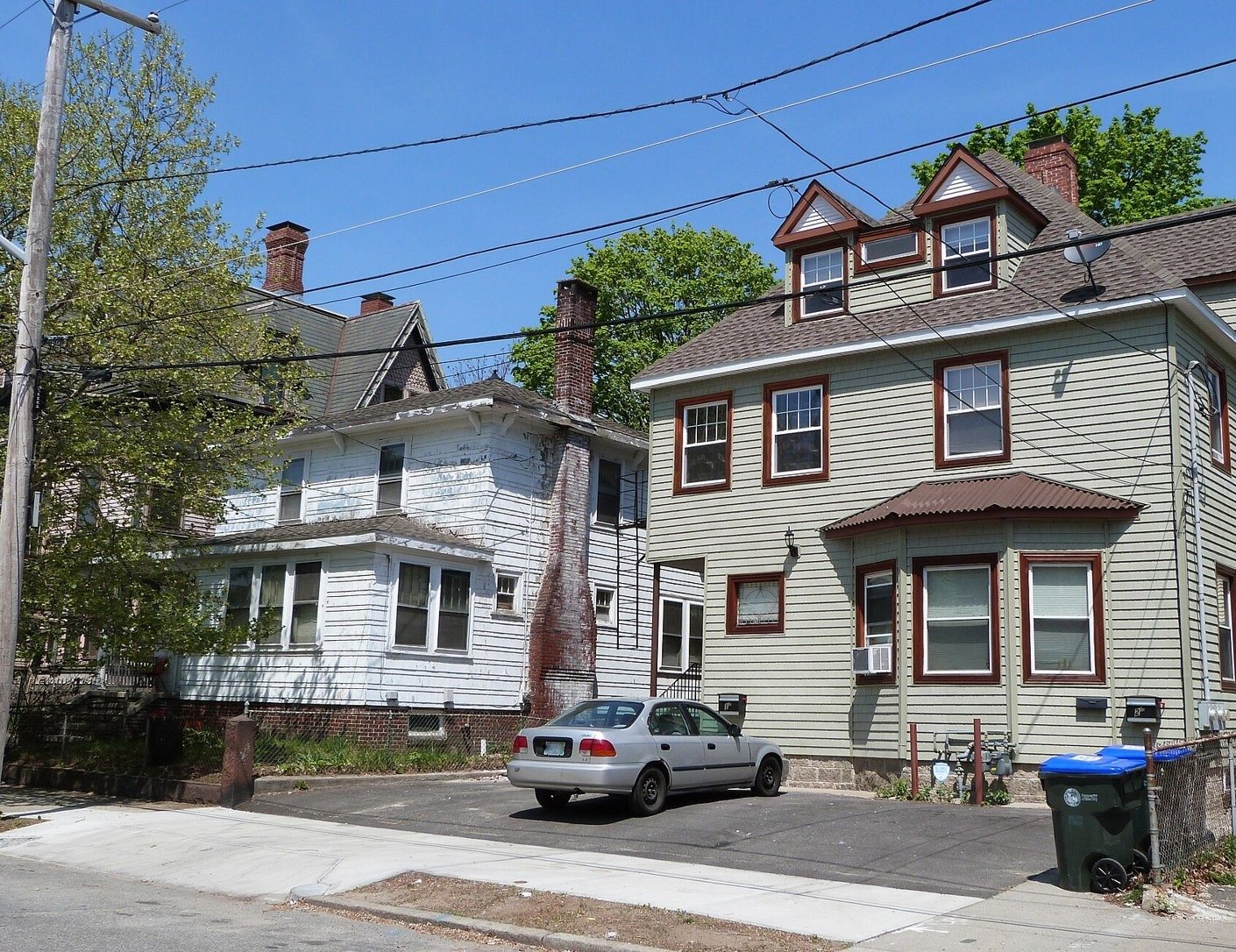
I have been selling and appraising homes in Rhode Island for 25 years, and one question comes up with first-time buyers more than almost any other: should I buy a two-family, live in one unit and rent the other? In Providence, Pawtucket, Cranston and Woonsocket, the two-family is not an exotic investment. It is the housing stock. Whole blocks of the West End, Elmwood, Mount Pleasant and Federal Hill were built this way, and for the right buyer it is still one of the smartest ways into ownership in this state.
It is also a property type where buyers get hurt when they treat it like a single-family with a bonus apartment. Here is how I look at these deals, as a broker and as an appraiser.
Why the Owner-Occupied Two-Family Works in Rhode Island
The appeal is simple. A tenant's rent helps carry the mortgage, the taxes and the insurance, and you build equity in a building you control. Because you live there, most loan programs treat you as an owner-occupant rather than an investor, which usually means a smaller down payment and better terms than you would get buying the same building as a pure rental. Ask your lender exactly how much of the second unit's rent they will count toward qualifying, because every program handles it a little differently.
For context, the median single-family home in Providence sold for $420,000 in September 2026, down 19.2% from a year earlier, on 45 sales that averaged 34 days on market, according to the latest RIAR figures. The statewide single-family median was $534,000. Those are single-family numbers, not two-family numbers, and I will not pretend they are the same market. Two-families are priced on a different logic, which is the next point.
How a Two-Family Is Actually Valued
When I appraise a two-family, I look at it two ways. The sales comparison approach asks what similar two-families nearby actually sold for, adjusted for condition, unit size, parking and updates. The income approach asks what the building's rents support. A lender's appraiser will usually lean on comparable sales, but if the rents in the listing are far below market, or the units have not been updated in decades, that shows up in the number.
What this means for you as a buyer: do not fall in love with the list price or with the rent the seller says the unit "could" get. Look at the current lease, the actual rent being paid, and what comparable units on that street really rent for. A building with a long-term tenant paying well under market is a different purchase from one with a fresh lease at market rent.
The Due Diligence Most Buyers Skip
A two-family carries more moving parts than a single-family, and the inspection period is where you protect yourself. Before you waive anything, I want my buyers to have answers on these:
- Leases and deposits. Get copies of every lease, confirm who holds the security deposit and make sure it transfers at closing. A tenant who stays comes with the lease the seller signed.
- Lead. Most two-families in Providence were built long before 1978. Rhode Island has specific lead requirements for rental units in older buildings, and they have tightened in recent years. Confirm with the RI Department of Health or RIHousing what the rental unit needs, and whether the seller has a current certificate.
- Separate utilities. Separate heating systems and electric meters mean each tenant pays their own bills. Shared systems mean you pay for the tenant's heat, and that changes the math.
- Legal use. Confirm with the city that the building is legally a two-family. A finished attic or basement unit that was never permitted is not a third unit, no matter what the listing says.
- Taxes. Providence and several other communities treat owner-occupied property differently from non-owner-occupied property. Ask the assessor's office how the building is classified and what you must file once you move in. I do not quote rates; get the current figure from the city.
Picking the Right Neighborhood
In Providence, the West End, Elmwood, Washington Park, Silver Lake and Olneyville hold most of the city's multi-family inventory and most of its entry-level pricing. Federal Hill and Mount Pleasant offer more renovated stock at higher prices. Outside the city, Pawtucket and Central Falls have dense two-family neighborhoods close to the commuter rail, and parts of Cranston and Woonsocket offer more yard and parking for the money. Parking matters more than people think: a two-family with no off-street spots can be harder to rent and harder to resell.
If you want to see what is available now, start with our Providence two-family homes page and set up an alert so new listings reach you first.
Being a Landlord Under Your Own Roof
Living upstairs from your tenant is different from owning a rental across town. You will hear the furnace, you will see the trash, and you will be the first call when something leaks. Set clear expectations in writing, screen carefully and fairly, keep a repair reserve, and learn Rhode Island's landlord-tenant rules before you need them. Buyers who go in with that mindset tend to do very well with these buildings.
Key Takeaways
- An owner-occupied two-family lets rent help carry your mortgage, usually on owner-occupant loan terms.
- Two-families are valued on comparable sales and on rents, so verify the actual leases, not projected rent.
- Check lead compliance, separate utilities, legal unit count and tax classification before you waive inspections.
- Providence's West End, Elmwood and Olneyville hold most of the city's two-family inventory.
- Plan to be a hands-on landlord: written expectations, careful screening and a repair reserve.
Already own a two-family and wondering what it is worth today? Run a quick home value estimate, or call me at 401-288-3600 and I will walk you through the comparable sales and rents myself.