
Blog · 2026-11-25
Pricing Strategy After 30 Days on Market: What Rhode Island Sellers Should Do Next
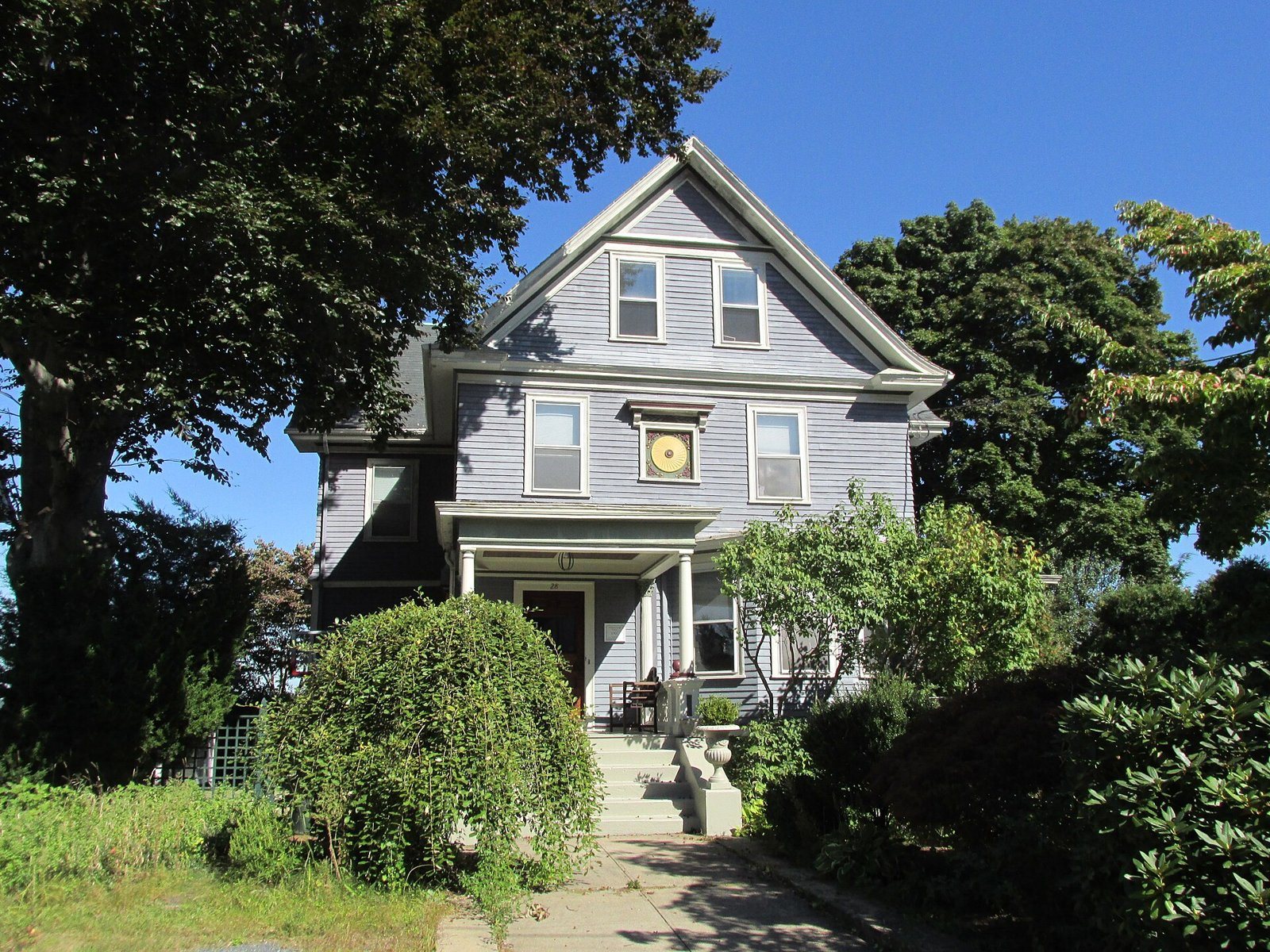
Thirty days is when the phone call changes. In week one a seller asks me how many showings we have booked. By day thirty, if there is no accepted offer, the question becomes: what is wrong with my house? Usually nothing is wrong with the house. Something is wrong with the match between the house, the price and the buyers who are actually shopping right now. After 25 years as a Rhode Island broker and a certified real estate appraiser, I can tell you that day thirty is not a crisis. It is a checkpoint, and what you do at it decides whether you sell in the next few weeks or sit into the next season.
Why 30 Days Matters in Rhode Island Right Now
Look at how fast homes are actually moving. According to the Rhode Island Association of Realtors and State-Wide MLS, single-family homes that closed statewide in October 2026 averaged 36 days on market, with a median sale price of $530,000 across 601 closings. In Cranston, the 47 single-family homes that closed in October averaged just 28 days on market, at a median of $510,000, up 14.9% from October 2025.
Those day counts include homes that went under agreement in the first weekend and homes that took two price changes to sell. So if you are in Cranston or a similar suburban town and you are at day thirty with no offer, you are already past where the typical sold home was. That is not a judgment on your home. It is information, and the market is giving it to you for free.
First, Diagnose: Which Problem Do You Have?
Before anyone touches the price, I sort the listing into one of three situations, because each one has a different fix.
Few or no showings. Buyers are seeing the listing online and deciding not to come. That is almost always price relative to what else they can see in the same search, or photos that undersell the house. Buyers compare your listing against every other home in their price filter, not against what you paid or what your neighbor asked.
Plenty of showings, no offers. The price got people in the door, and something in person did not match what they expected. Read the feedback carefully. Repeated comments about the kitchen, the roof, a damp basement or road noise tell you exactly what buyers are deducting for.
Offers that came in low or fell apart. Buyers want the house but not at this number, or an inspection exposed something. This is the closest to a deal, and often the fix is negotiation, a credit or a repair rather than a public price cut.
How I Think About a Price Adjustment as an Appraiser
When I appraise a home, I do not care about list prices. I care about closed sales, adjusted for differences. Buyers and their lenders work the same way. If your price is above what the closed comparable sales support, even a buyer who loves the house will hit a wall at the appraisal.
So the adjustment has to be based on the comps, not on a feeling. Pull the closed sales from the last few months in your neighborhood, look at what is currently active and under agreement, and ask an honest question: where would a buyer put my house in that lineup?
Then think about search brackets. Buyers set filters in round numbers. A home at $515,000 is invisible to the buyer whose search tops out at $500,000. A reduction that moves you into a new bracket puts you in front of a fresh group of people. A reduction that leaves you in the same bracket mostly tells the same buyers who already passed that you are getting nervous.
For the same reason, I would rather make one meaningful adjustment than three small ones spread over six weeks. Small, repeated cuts build a price history that buyers read as a seller chasing the market down, and that invites lower offers.
Fix What You Can Before You Cut
Price is not the only lever. If feedback points to condition, it can be cheaper to fix the issue than to give the value away in price. Fresh paint, decluttering, a deep clean, better lighting and new listing photos can change how a home shows within a week. If the photos were taken in a rush, reshoot them. They are the first showing for every buyer.
Access matters too. If showings are restricted to a narrow window, or a tenant or pet makes the house hard to see, you are shrinking your buyer pool. Make the home easy to show.
What About Taking It Off and Relisting?
Some sellers ask about withdrawing and putting the home back on as a new listing so it shows up again as fresh inventory. It can make sense in the right situation, especially paired with a real change in price or presentation. MLS rules on how and when a relisted property resets its days on market are specific, so I confirm the current State-Wide MLS policy for each listing before promising a seller anything. A relist with the same price and the same photos rarely changes the outcome.
Takeaways
- Statewide, sold single-family homes averaged 36 days on market in October 2026; Cranston averaged 28.
- Diagnose first: no showings, showings without offers, or low offers each need a different fix.
- Base any price change on closed comparable sales, because the buyer's appraisal will.
- One adjustment that crosses a search bracket beats several small cuts.
- Fix condition, photos and access before giving value away in price.
If your home has been on the market for a month and you want a second opinion from someone who prices homes for a living, start with a quick look at your home value estimate, then call me at 401-288-3600. I will pull the comps and tell you plainly what I see.