
Blog · 2026-10-26
Selling Your Rhode Island Home in Winter: Why It Can Work in Your Favor
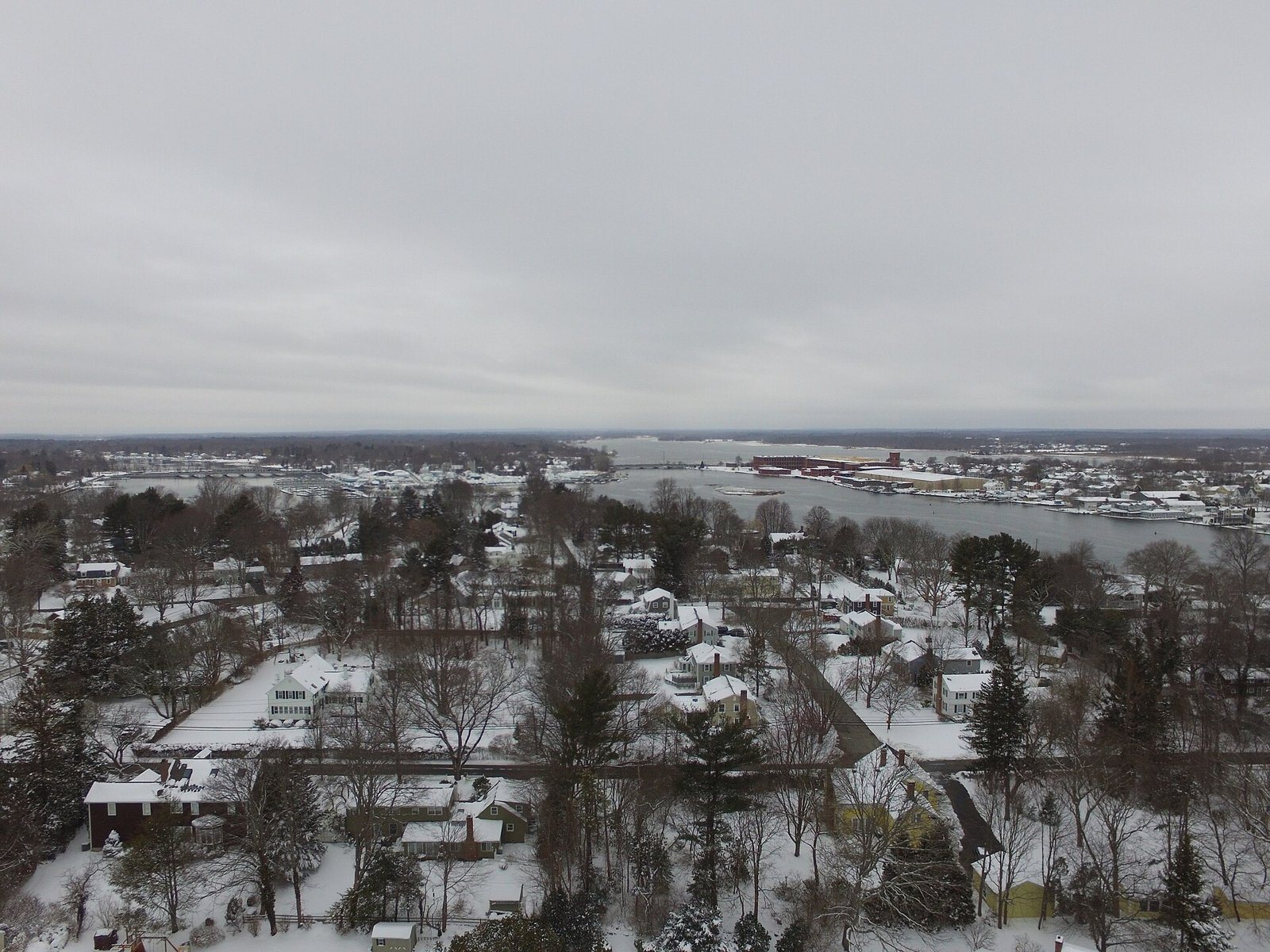
Every fall I hear the same thing from Rhode Island homeowners: "We'll wait until spring." Sometimes that is the right call. Often it is a habit, not a strategy. After 25 years as a Rhode Island broker and certified appraiser, I can tell you that a well-prepared winter listing can sell faster and cleaner than the same house in April, because the conditions that matter most to a seller, competition and buyer motivation, quietly shift in your favor once the leaves come down.
Less competition is the real advantage
Spring is when most Rhode Island sellers list. That means spring buyers have the most choice, and choice is what gives a buyer leverage. In winter, many owners pull their homes off the market or wait, so the houses that are available get a bigger share of the attention. Your house is not being compared to six similar listings in the same school district; it may be one of two.
The market we are in supports that. In June 2026 the statewide single-family median was $550,000 on 879 sales, up 5.8% from a year earlier, with a median of 29 days on market (State-Wide MLS via RIAR). Prices are still rising and homes are still moving. Buyers who did not land a house during the busy months did not disappear; they are still looking, and in winter they are looking at fewer options.
Winter buyers are serious buyers
Nobody tours houses in sleet for entertainment. The people who book showings in December and January usually have a reason: a job relocation with a start date, a lease that ends, a growing family, a sale of their own that already closed. In my experience these buyers write cleaner offers and push less on small items because they need to be settled. Fewer casual lookers also means fewer wasted showings for you.
What winter changes about preparing your home
The fundamentals are the same in any season, but winter adds a few specific jobs:
- Clear access every time. Shoveled, salted walks and a plowed driveway are non-negotiable. A buyer who slips on the front steps is not thinking about your kitchen.
- Show the heating system off. Have the furnace or boiler serviced and leave the receipt out. In an older Rhode Island colonial or multi-family, buyers want to know the system has been maintained, and inspectors will look.
- Light the house. It is dark by late afternoon. Turn every light on before showings and replace dim bulbs.
- Use your fall photos. If you took exterior pictures before the snow, use them alongside the current ones so buyers can see the yard and landscaping.
- Watch for ice dams and frozen pipes. If the house is vacant, keep the heat on and check your insurance policy for vacancy terms.
Also plan for Rhode Island's smoke and carbon monoxide certificate, which you need from your local fire department before closing. Book that inspection early, since winter schedules and holidays can slow things down.
Pricing in winter: the appraiser's view
Here is something sellers rarely hear. Appraisers do not discount a house because it sold in January. They work from closed comparable sales, and in winter many of those comps are summer and fall closings, which in a rising market are strong numbers. Your price should be built on those closed sales, adjusted for condition, location and size, not on a guess about what buyers will pay "in this weather."
Barrington is a good example of why the local numbers matter more than the season. In June 2026 Barrington recorded 25 single-family sales at a median of $890,000, with a median of 19 days on market (State-Wide MLS via RIAR). A sample that small can swing a lot month to month, which is exactly why each house needs its own analysis instead of a town average. If you are thinking about selling in the East Bay, take a look at current Barrington homes for sale to see what you would be competing with right now.
When waiting for spring makes sense
Winter is not right for everyone. If your home's best feature is a garden, a pool or a waterfront deck that disappears under snow, spring photos may genuinely be worth the wait. The same goes if you need a few months to finish repairs; a half-done house in January will not beat a finished one in April. And if you have a flexible timeline with no pressure to move, there is nothing wrong with listing when the yard looks its best. The point is to choose the season on purpose.
Timing the move
A winter listing also gives you room to plan. A contract in January or February often means a spring closing, which lines up with the school calendar for many families and gives you time to find your next home before the spring rush starts. If you are selling and buying, that sequencing can take a lot of pressure off.
Key takeaways
- Fewer competing listings in winter means more attention for each house that is on the market.
- Winter buyers usually have a deadline and write more serious offers.
- Clear access, a serviced heating system and good lighting matter more than staging.
- Price from closed comparable sales, not from the weather.
- Book Rhode Island's smoke and CO certificate inspection early.
If you are weighing a winter sale, start with a number you can trust. Get an instant estimate with our home value estimator, then call me at 401-288-3600 and I will give you an appraiser's read on what your home should list for this season.