
Blog · 2026-11-20
Victorian and Historic Homes in Rhode Island: What an Appraiser Checks Before You Buy
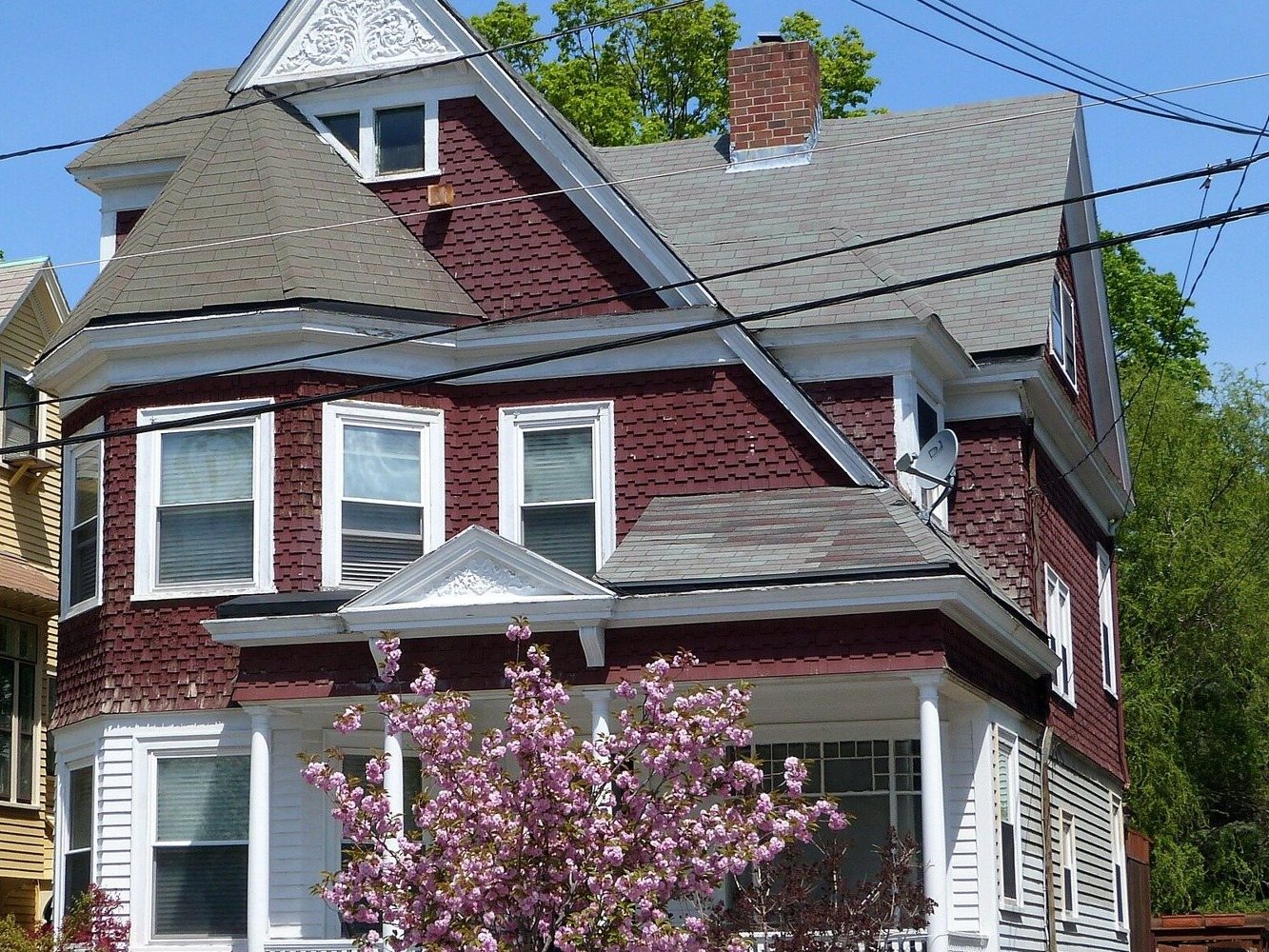
Rhode Island has one of the deepest stocks of nineteenth-century housing in the country. Queen Annes with turrets and fish-scale shingles, Italianates with deep bracketed eaves, mansard-roofed Second Empires, and the plainer Victorian two- and three-deckers that housed the mill and jewelry workers. Buyers fall for the woodwork and the ten-foot ceilings. I have been a broker here for 25 years and I am a certified real estate appraiser, and I can tell you the appraiser is looking at something very different from what you fell for. Here is what that report actually weighs, and how to read an old house the same way before you write an offer.
Gross living area is not what the listing says
The first thing I measure on a Victorian is how much of the house actually counts. Appraisers follow a standard: finished, heated space above grade, reached by a permanent stairway, with adequate ceiling height. Basements never count as living area, even when they are finished. Third-floor rooms tucked under a steep roof are where the arguments start. A Queen Anne attic with sloped ceilings may feel like two extra bedrooms, but only the portion with enough headroom goes into the square footage. If the listing counted the whole attic, expect the appraised size to come in lower, and the value with it.
The systems behind the plaster
Original details add appeal. Original systems add risk, and the appraiser notes both. On a house built in the 1880s or 1890s I look for:
- Wiring. Knob-and-tube still turns up in Rhode Island Victorians, sometimes buried behind newer outlets. Some insurers will not write a policy until it is replaced.
- Heat. Old steam or gravity hot-water systems can run for a century, but an oil tank in the basement or yard needs its age and condition documented.
- Foundation. Fieldstone and brick foundations are common. Water staining, efflorescence and settled sills tell me more than a fresh coat of basement paint does.
- Roof and chimneys. Slate can last generations or need costly repair. Chimneys that once vented coal stoves often need relining.
None of these kill a deal. They change what the house is worth today and what you will spend in your first five years.
Lead paint is a given, not a maybe
Every home built before 1978 comes with the federal lead-based paint disclosure, and a Victorian almost certainly has lead under the newer coats. If you are financing with FHA, chipping or peeling paint on a pre-1978 house has to be addressed before closing, and the appraiser is the one who flags it. If the house has rental units, Rhode Island adds its own requirement: a Certificate of Lead Conformance for the rental units. Budget for it before you assume rent will cover the mortgage.
Functional obsolescence, in plain English
Appraisers adjust for features the market no longer wants. In a Victorian that usually means one full bath for four bedrooms, a small kitchen at the back of the house, closets that barely fit a coat, or a floor plan chopped up by a past conversion to apartments. Charm does not cancel these adjustments. A well-done kitchen and a second bath often close most of the gap, which is why renovated Victorians and untouched ones can sell far apart on the same street.
Conversions and permits
Many large Rhode Island Victorians were split into two or three units decades ago, and some were later turned back into single-family homes. Before you buy, confirm with the city or town how the property is legally classified and whether the work was permitted. A third unit that exists in the house but not in the records can affect zoning, financing and insurance, and an appraiser cannot value it as a legal unit.
Comparables are thin, so the appraiser works harder
There are rarely three recent sales of true Queen Annes in the same neighborhood. The appraiser often has to reach into a newer colonial or a different part of town and adjust. That is where restored original features, an updated kitchen and a sound roof earn their value, and where deferred maintenance gets deducted. For context, the median single-family home in Providence sold for $420,000 in September 2026, down 19.2% from a year earlier, on 45 sales, according to the Rhode Island Association of Realtors / State-Wide MLS. That is the citywide middle, not a Victorian figure, and no Victorian-only statistic exists. Your price has to come from the right comparables, not the median.
Historic district rules
Parts of Providence and several other Rhode Island communities sit inside local historic districts, where exterior changes such as windows, siding and porches can require approval from a historic district commission. Ask whether the property is in one before you plan replacement windows or vinyl siding. It does not lower value; it changes your renovation budget and timeline.
Key takeaways
- Only finished, heated, above-grade space with enough headroom counts as living area.
- Wiring, heat, foundation, roof and chimneys drive both value and insurance.
- Assume lead paint; FHA loans require peeling paint fixed before closing.
- Confirm the legal unit count and permits on any converted Victorian.
- Thin comparables mean condition and updates carry more weight in the appraisal.
Buying or selling a Victorian?
If you are shopping, browse our Providence Victorian homes for sale and I will walk the house with an appraiser's eye before you commit. If you own one and want to know where it really stands, start with our home value estimator, then call me at 401-288-3600 for an opinion based on real comparables.